Public voting is currently closed.
Overview
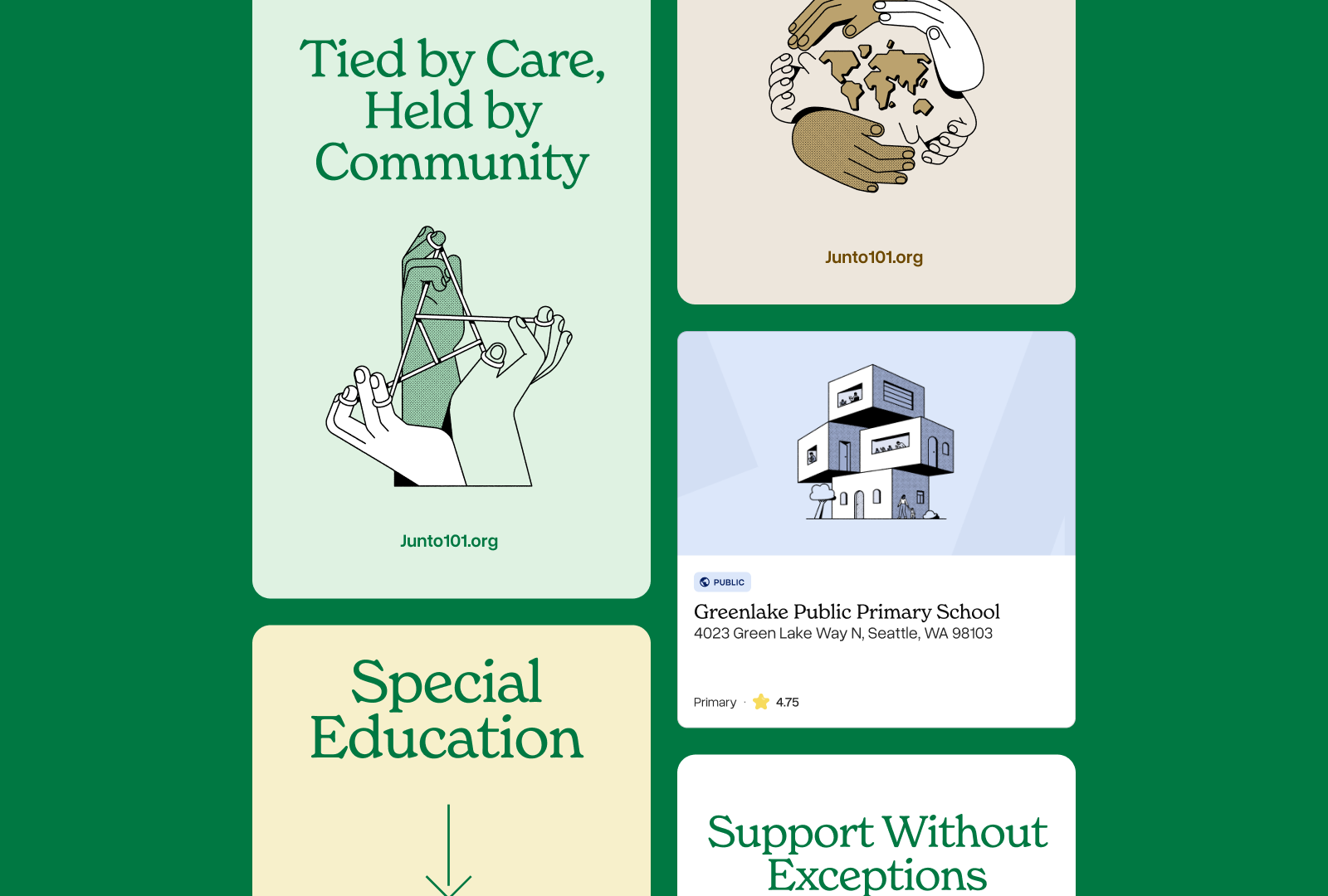
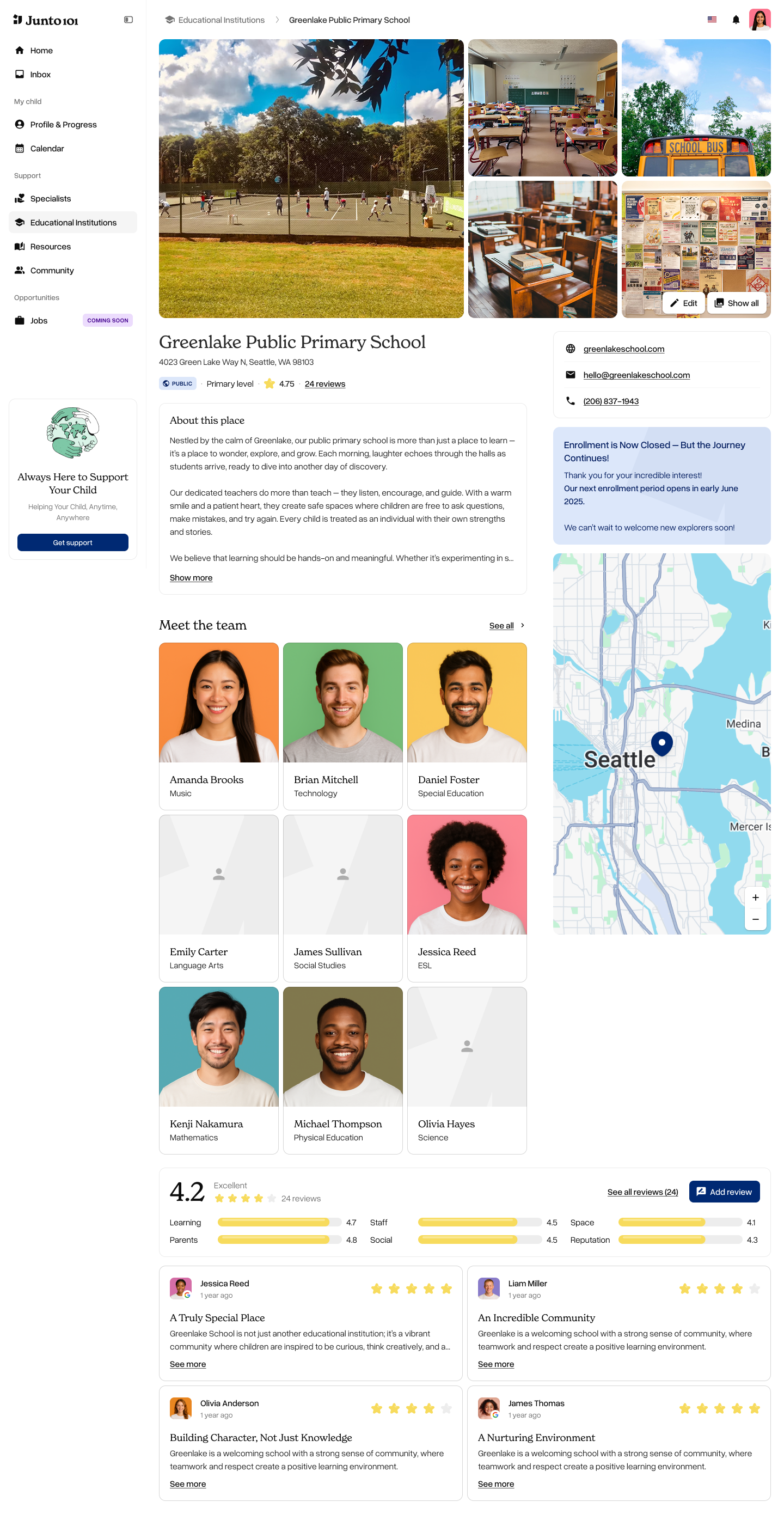
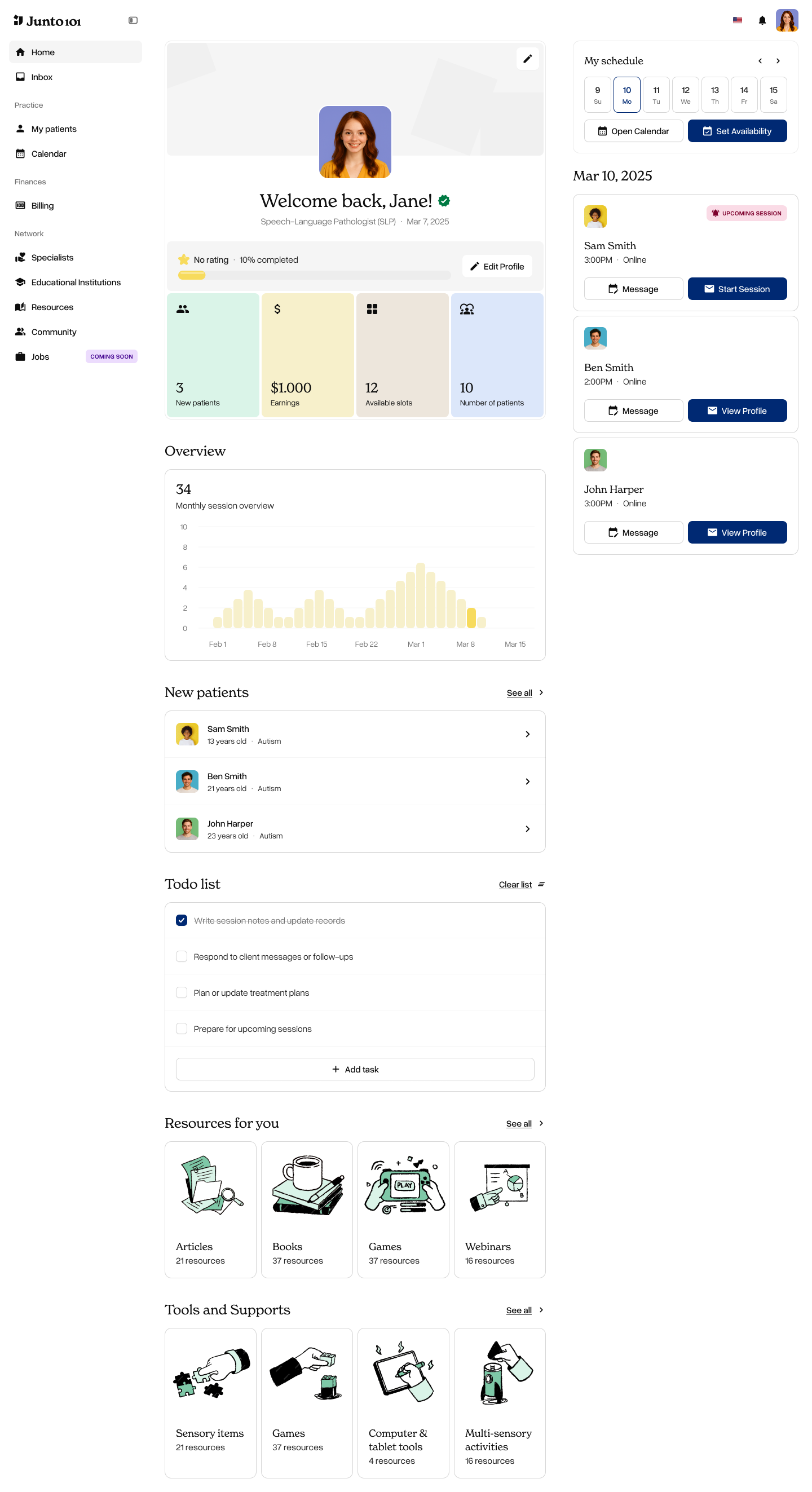
Connecting families of children with special needs and trusted specialists worldwide, making support more accessible and removing geographical barriers to care.
Project Details
Category
Web & Desktop App
Customer
-
Submitted by
Timeframe
October 2024 - July 2026
Tech Stack
Figma
Services
branding, workshops, user interviews, product design
Demo Link
-
Team
Artur Zawiasiński - branding
Kinga Szymańska, Antonina Krawczyk, Daniel Prokopiuk, Lukasz Ratajczyk - product design
Kinga Szymańska - workshops, user interviews
Link to case study
-
Description
Creating a Global Platform That Connects Families and Specialists
Finding the right support for a child with special needs is often much more difficult than it should be. While the right specialist may exist, they are frequently located in another city—or even another country. Parents have limited ways to discover trusted professionals outside their local networks, and specialists face similar challenges when trying to reach families who need their expertise. The lack of a centralized platform creates geographical, language, and accessibility barriers that prevent people from connecting.
This project was created to solve that problem by designing a global platform that brings families and specialists together in one place. The vision was to make professional support more accessible regardless of location while giving specialists the opportunity to build their professional presence and connect with families worldwide.
Designing the platform required balancing the needs of two very different user groups. Parents needed a trustworthy, intuitive experience that would help them quickly find specialists suited to their child's unique needs. At the same time, professionals needed a simple way to create profiles, showcase their expertise, and communicate with families beyond their local communities. Creating a product that delivered equal value to both sides of the platform was one of the biggest challenges throughout the project.
Another important consideration was accessibility across borders. The platform needed to reduce not only geographical barriers but also challenges related to communication, trust, and language. The experience had to feel approachable for users from different countries while remaining simple enough for first-time users.
To ensure the product addressed real user needs, the process began with understanding the business goals and defining the product vision. Once these objectives were established, I conducted in-depth user interviews with both parents and professionals to understand their motivations, frustrations, and expectations. The research revealed the most common pain points and helped identify which problems should be solved first.
Based on these insights, I defined the key user groups, created personas, and mapped user journeys. These findings informed the information architecture and feature prioritization for the first MVP, ensuring the initial product focused only on the functionality that delivered the greatest value to users and the business. From there, I moved into wireframing, interface design, and iterative refinement, continuously validating design decisions against both user needs and business objectives.
The outcome is a scalable, user-centered platform that successfully connects families of children with special needs with trusted professionals around the world. The solution removes many of the barriers associated with finding specialized support while giving professionals new opportunities to reach families beyond their local markets. Although the product is currently in development, the completed design provides a strong foundation for future growth and additional functionality.
This project reinforced the importance of designing marketplace experiences from both perspectives rather than focusing on a single user group. It also demonstrated how early user research, clear feature prioritization, and continuous alignment between business goals and user needs are essential for building products that create meaningful value for everyone involved.
Project Outcomes
Improved access to specialized support for families.
Simplified the process of finding and contacting professionals.
Enabled specialists to build an online presence and reach a wider audience.
Established a foundation for a global support community.
Target Audience
The target audience includes parents and caregivers seeking specialized support, as well as therapists, educators, and healthcare professionals looking to expand their reach.
Why Us
The platform was designed to be simple, intuitive, and visually appealing. More importantly, it addresses a real and significant need by making specialized support more accessible for families and professionals worldwide.
Explore More
Previous Editions
Category
Web & Desktop App